Flood cleanup is what happens after water comes from outside — a river or creek that jumped its banks, a flash flood, or a storm that pushed water into the building. It’s a different job than an indoor leak, because the water is dirty, it usually covers a wide area, and it leaves mud and contamination behind. We handle residential and commercial flood recovery across Hattiesburg and the Pine Belt, from first muck-out through drying and restoration.
When the Leaf and Bouie Rise
Hattiesburg sits between the Leaf and Bouie Rivers and the network of low-lying creeks that feed them. When heavy rain stacks up, those waterways rise and push water into yards, streets, and homes across Forrest and Lamar counties — and flash flooding can put water where the rivers never reach. Storm-driven flooding is also fundamentally different from a burst pipe: it arrives fast, it carries whatever it picked up on the way, and it soaks the lowest, hardest-to-dry parts of a structure first.
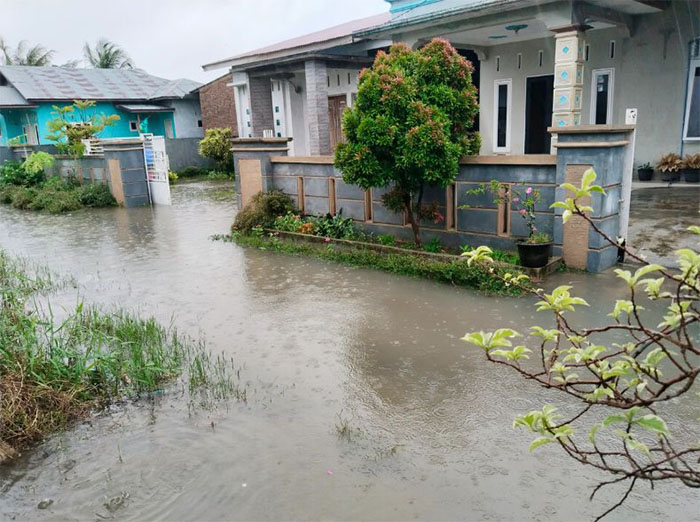
Flood Water Is Never Clean Water
This is the part homeowners underestimate. Under the IICRC S500 standard, rising floodwater from rivers, streams, and ground-surface runoff is Category 3 — “black water,” grossly contaminated water that may contain sewage, pesticides, fuel, and pathogenic agents.[1] That changes everything about the cleanup: it requires protective equipment, containment to keep contamination from spreading to dry areas, aggressive decontamination of anything that can be saved, and disposal of anything porous that can’t. And once materials are wet, EPA guidance notes mold can begin growing within 24–48 hours,[2] so decontamination and drying can’t wait for the water to recede on its own.
Muck-Out, Dry-Out, Restore
Flood recovery moves in a specific order because contamination has to be dealt with before drying:
- Water and muck removal. Standing water is pumped out and the mud, silt, and debris the flood left behind are cleared.
- Remove and dispose. Porous materials that soaked in Category 3 water — carpet, pad, saturated drywall and insulation — come out and are disposed of safely.
- Clean and decontaminate. Salvageable structure and hard surfaces are cleaned and treated with antimicrobials.
- Structural drying. Commercial dehumidifiers and air movers dry framing and remaining materials to a documented standard, confirmed by moisture readings.
- Restore. The building is put back together once it’s clean and dry.
Timing is driven by how wet and how contaminated the structure is — measured, not guessed.
Why No Two Flooded Homes Are the Same Job
A flood down one street can total one house and barely touch the next. The real variables:
- How deep and how long the water stood — inches versus feet, hours versus days.
- What the water carried — river flooding, storm runoff, and backed-up drainage bring different contamination loads.
- How much porous material it reached — finished floors, drywall height, insulation, and cabinetry.
- Whether it’s a repetitive-loss property — homes that flood repeatedly face compounding damage.
We scope from the actual water line and contamination, document it for your flood or homeowners claim, and get muck-out moving fast. Standing floodwater in your home or business right now? Request help or call — a real person answers, day or night.
Sources
- ANSI/IICRC S500 — Standard for Professional Water Damage Restoration
- EPA — A Brief Guide to Mold, Moisture and Your Home
Frequently Asked Questions
Yes. Under the IICRC S500 standard, rising floodwater from rivers, creeks, and storm runoff is Category 3 "black water" — it can carry sewage, chemicals, and other harmful agents. It calls for protective equipment, containment, and safe disposal, not a shop vac and a mop.
Usually not on its own. Damage from rising external floodwater is typically covered by a separate flood policy (often through the NFIP), while sudden internal water damage falls under homeowners. We document the loss so whichever coverage applies has what it needs.
Porous materials that soaked in Category 3 water — carpet and pad, saturated drywall and insulation, and many soft furnishings — generally can't be safely restored and are removed. Hard, cleanable surfaces are decontaminated and dried in place where possible.
We answer 24/7 with rapid response across the Pine Belt. After a flood the priority is stopping contamination and drying from spreading — the sooner muck-out and drying begin, the more of the structure can be saved.
Hattiesburg sits between the Leaf and Bouie Rivers and the low-lying creeks that feed them, so heavy rain and river rises push water into neighborhoods across Forrest and Lamar counties. Flash flooding can happen well away from the rivers, too.